
 rumsia
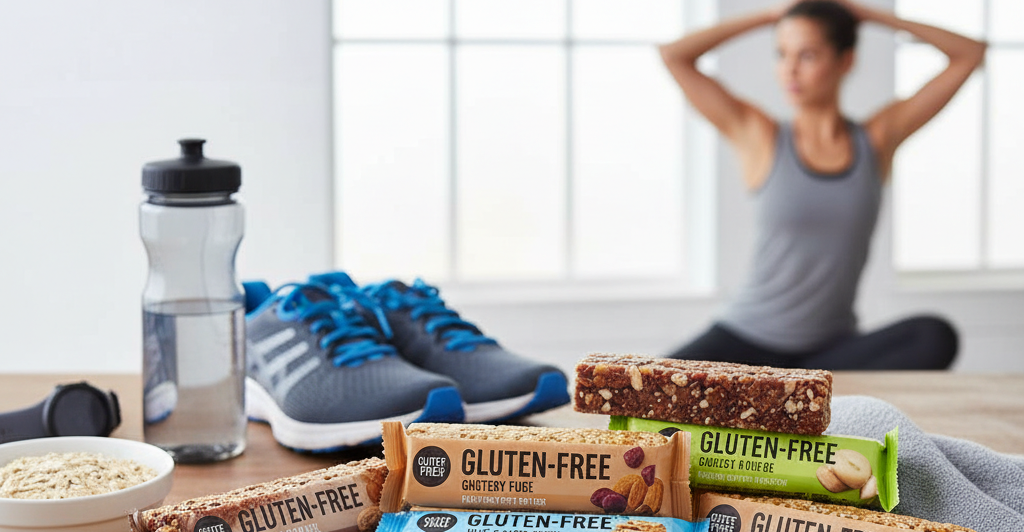
 Athletes and fitness lovers need clean, reliable fuel to perform at their best. Whether you are training for a marathon, lifting heavy weights, or practicing yoga daily, nutrition plays a key role in your performance. That’s why many people are switching to gluten-free energy bars as a convenient and healthy snack option.
These bars are easy to carry, quick to eat, and packed with nutrients that support stamina, recovery, and muscle health. If you follow a gluten-free diet or simply want cleaner fuel for workouts, choosing the right bar can make a big difference.
Why Athletes Choose Gluten-Free Options
Many athletes experience better digestion and steady energy when they avoid gluten. A gluten-free diet focuses on foods that are naturally free from wheat, barley, and rye. For some, this helps reduce bloating and discomfort during intense training sessions.
Today, the market offers many gluten-free products designed specifically for active lifestyles. From protein powders to snack bars, athletes have more choices than ever. Among these options, Gluten Free Energy Bars stand out because they combine convenience with performance nutrition.
What Makes a Great Energy Bar?
Not all bars are created equal. The best gluten-free energy bars contain balanced macronutrients and clean ingredients. Here’s what you should look for:
• High-quality protein – Supports muscle repair and recovery. • Complex carbohydrates – Provide sustained energy instead of quick sugar spikes.
• Healthy fats – Help maintain fullness and long-lasting fuel.
• Natural sweeteners – Such as dates or honey instead of refined sugar. • Added vitamins and minerals – Support overall performance and immunity.
When a bar includes these elements, it becomes more than just a snack. It becomes a performance tool.
Benefits of Gluten-Free Energy Bars for Workouts
Choosing the right pre- or post-workout snack matters. Here’s how Gluten Free Energy Bars can support your fitness journey:
1. Steady Energy Release
Complex carbs and fiber help provide consistent energy. This is especially important for endurance athletes who train for long hours.
2. Easy Digestion
Many athletes find that a gluten-free diet supports smoother digestion. During intense workouts, the last thing you want is stomach discomfort.
3. Muscle Recovery Support
Bars that contain quality protein help repair muscle fibers after training. This leads to faster recovery and better performance over time.
4. Portable and Convenient
Busy schedules make it difficult to prepare meals. Gluten-free energy bars fit easily in gym bags, office drawers, or travel kits.
When Should You Eat Energy Bars?
Timing can enhance the benefits of your nutrition.
• Before a workout: Eat 30–60 minutes prior for a quick energy boost. • After a workout: Consume within 30 minutes to support muscle recovery. • Between meals: Prevent energy crashes and reduce unhealthy snacking. • During travel or competitions: Maintain consistent nutrition on the go.
Because many gluten-free products are now formulated for specific needs, you can even find bars tailored for endurance, strength training, or weight management.
Key Ingredients to Look For
Understanding ingredients helps you make smarter choices. The best gluten-free energy bars often include:
• Oats labeled gluten-free
• Nuts and seeds like almonds, chia, or flax
• Plant-based or whey protein
• Natural peanut or almond butter
• Cocoa, berries, or coconut for flavor
Avoid bars loaded with artificial flavors, excess sugar, or long ingredient lists you cannot pronounce.
How to Choose the Right Bar for Your Goals
Every athlete has different goals. Some want muscle gain, others want weight control, and some focus on endurance. When selecting Gluten Free Energy Bars, consider:
• Protein content: Higher protein supports muscle building.
• Calorie count: Important for those tracking weight.
• Sugar level: Lower sugar helps avoid energy crashes.
• Fiber content: Supports digestion and fullness.
If you are following a gluten-free diet strictly for medical reasons, always check certifications to ensure there is no cross-contamination.
Are Energy Bars a Meal Replacement?
While gluten-free energy bars are nutritious, they should not completely replace balanced meals. Whole foods like fruits, vegetables, lean proteins, and whole grains provide a broader range of nutrients.
However, as part of a balanced gluten-free diet, energy bars can complement your routine and fill gaps when needed.
Smart Snacking Tips for Athletes
To maximize results:
• Pair your bar with water or an electrolyte drink.
• Read nutrition labels carefully.
• Rotate flavors to avoid taste fatigue.
• Use bars as part of a structured meal plan.
With the growing popularity of gluten-free products, brands are now focusing on cleaner formulas and performance-based nutrition. This makes it easier to find options that align with your training goals.
Final Thoughts
Fueling your body correctly is one of the smartest investments you can make in your fitness journey. Whether you are a beginner or a professional athlete, Gluten Free Energy Bars offer a practical, nutritious, and performance-friendly snack
solution. They support energy, digestion, and recovery without compromising on taste or quality.
If you are looking for a reliable option, brands like Proathlix are creating thoughtfully formulated products designed for active individuals who want clean, effective nutrition. Choosing high-quality gluten-free energy bars can help you stay consistent, energized, and ready to perform at your best every single day.


 Cataract Awareness: Myths, Facts, and Modern Treatment Options
  The 4 Tips To Help You Stay Healthy When Living Abroad
  The Art of Healing: Personalized Recovery Plans
  Are Silicone Baking Mats Safe? A Simple Guide
  The Comprehensive Guide to NMN: Benefits, Mechanisms, and Where to Buy NMN
  Probiotics for Women’s Health: Benefits, Types, and Considerations