
 HealtheStudio Editor
 Moving to a new country is an exciting adventure that can really change your perspective on life since it opens up a world of new experiences. But it’s not without its challenges, especially when it comes to staying healthy.
You’ll face a lot of challenges that put your health at risk such as local diseases, the cleanliness of fruits and vegetables as well as the water among other things. Adapting to a new climate, dealing with language barriers, and managing the stress of cultural differences are significant challenges you might face. Each of these can impact your physical and mental well-being in unexpected ways. In this article, we will cover some tips on navigating these health challenges from living abroad.
1 – Prepare before the move
Before you move abroad, it’s really important to get a handle on what healthcare is like in your new country. Start by looking up what kind of medical facilities are there and how good they are. It helps a lot to talk to other people who’ve already moved there since other expats can give you a realistic view on what to expect.
Making sure you’re covered for medical needs is key. Check out expat health insurance plans that are made for living overseas. These plans are usually better because they cover a lot of different situations that regular insurance might not cover in a foreign country. Remember, the insurance you’re used to back home might not cut it where you’re going, so getting the right plan is super important.
Once you get there, one of your first stops should be at a local doctor’s office to register. In many places, you need to be signed up with a local healthcare provider to get any kind of medical care. Learn how to find a good doctor, how to make appointments, and what you might have to pay for services.
2 – Exercise often
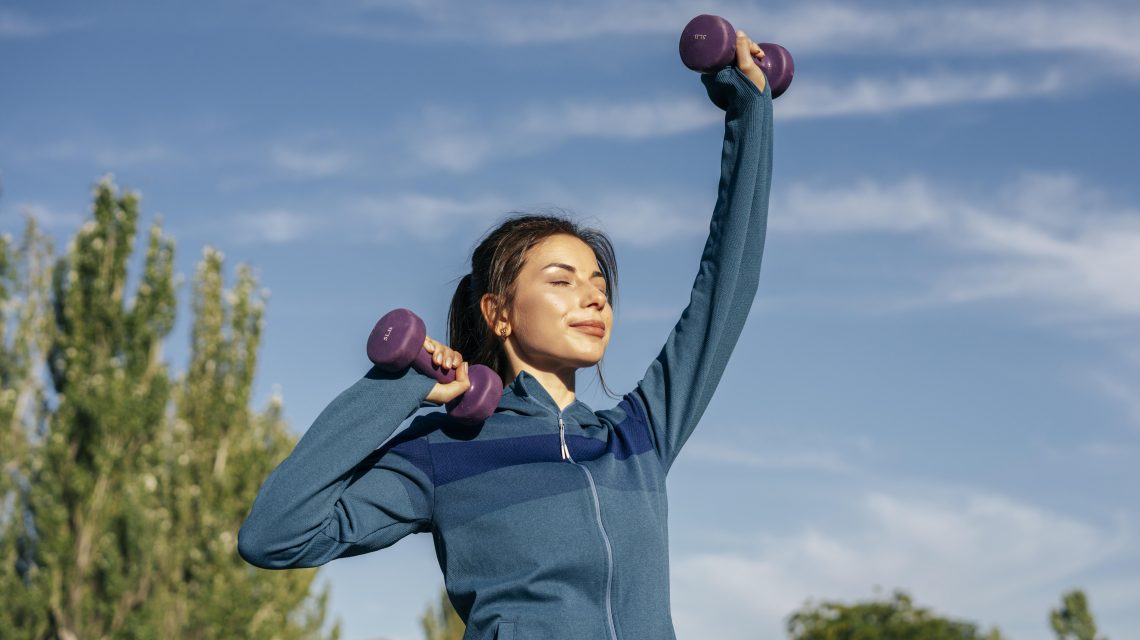
Staying active is one of the best ways to stay healthy and feel good when you move to a new country. A new place can bring a lot of changes to your daily routine, but it also opens up new ways to exercise and stay fit.
Take some time to see what’s available near you. Many towns and cities have gyms, fitness classes, or sports clubs you can join. If you prefer being outdoors, look for nearby parks, walking trails, or bike paths. Getting outside is not just great for exercise. It’s also a fun way to explore your new home.
If going out isn’t your style, you can always keep it simple with exercises at home. Walking around your neighborhood, stretching, or doing basic workouts can help you stay active without needing any special equipment. The most important thing is to find something you enjoy and stick with it.
3 – Maintain a balanced diet
Eating healthy when you move to a new country can feel like a challenge at first, but it doesn’t have to be. Trying new foods is one of the most exciting parts of living abroad, but it’s also important to make sure you’re getting the nutrients you need.
Start by checking out local markets and grocery stores. Fresh markets are often a great place to find fruits, veggies, and other healthy basics. If you’re craving foods from home, look for international shops or stores that carry familiar items. Mixing local ingredients with ones you know can help you create meals that feel balanced and satisfying.
If you have food allergies or special dietary needs, be extra careful. Learn how to say the names of foods you need to avoid in the local language, so you can check labels or ask about ingredients when eating out. Labels might look different from what you’re used to, so take the time to double-check.
4 – Mental health considerations
Moving to a new country can be exciting, but it’s normal to feel overwhelmed at times. Culture shock and homesickness are common when everything around you feels unfamiliar. It’s okay to miss home or feel out of place. It takes time to adjust. Creating a daily routine or staying in touch with family and friends back home can make things feel more stable and comforting.
Making new connections can help a lot with your mental health. Try joining local groups, taking a class, or even chatting with your neighbors. Getting involved in activities you enjoy, like a hobby or exploring your new surroundings, can make your new home feel more welcoming and help you avoid feeling isolated.
If you’re finding it hard to cope, there are resources out there to help. Many countries have expat support groups, both in person and online, and you can also look for counseling services if you need extra support.


 Best Gluten-Free Energy Bars for Athletes and Fitness Enthusiasts
  Cataract Awareness: Myths, Facts, and Modern Treatment Options
  The Art of Healing: Personalized Recovery Plans
  Are Silicone Baking Mats Safe? A Simple Guide
  The Comprehensive Guide to NMN: Benefits, Mechanisms, and Where to Buy NMN
  Probiotics for Women’s Health: Benefits, Types, and Considerations